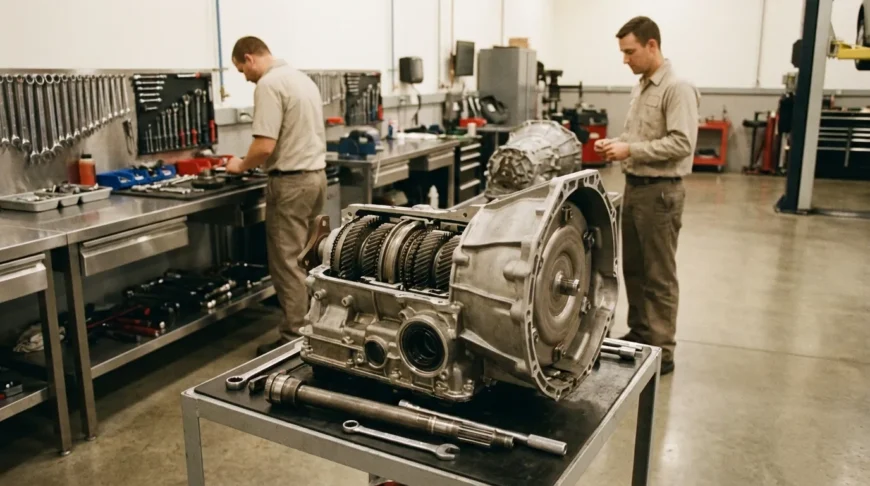

A vehicle’s transmission is easy to forget about until something doesn’t feel right. Maybe there’s an odd shift that makes you hesitate, or a pause after hitting the gas along with a smell you’ve never noticed before. That’s usually when concern starts. Transmission repair issues can feel stressful because they affect safety and can lead to costly repairs, which is what most people worry about. Often, it’s the not knowing that causes the most stress.
Here’s the good news. Transmission repair doesn’t always mean you need a full replacement. Many issues begin small and give warning signs long before serious damage happens. They usually don’t show up all at once. When you know what to look for, you can often act early, which helps avoid bigger repair bills later and makes day‑to‑day driving less stressful.
This guide explains what a transmission does, common warning signs, how repair and replacement differ, what costs usually look like, and how preventive care helps over time, without making things confusing. It also covers what typically happens during a professional transmission service, so there are fewer surprises and it’s easier to make confident decisions.
What Your Transmission Really Does and Why It Matters
The transmission is the part that moves power from the engine to the wheels. That sounds simple, but it’s usually the reason a car accelerates smoothly instead of feeling jerky or strained. It handles gear changes quietly in the background so your vehicle can climb hills and pick up speed without a fuss, something most drivers only notice when it stops working right. When everything feels normal, the transmission barely crosses your mind. In many cases, that’s exactly how it should be. Once slipping or rough shifting starts, though, the change is hard to miss, and the drive can feel off very quickly.
Smooth shifting isn’t the only job it handles. The transmission also affects fuel use and how long the engine lasts. The right gear ratios keep engine RPMs in a steady, safe range, which helps reduce heat and wear over time. Automotive efficiency studies suggest that even small transmission issues often cut fuel economy by about 10 to 15 percent. That drop may seem small at first, but it can add up faster than most people expect.
Modern vehicles rely on complex transmissions packed with sensors, solenoids, and computer controls, which makes troubleshooting harder than it used to be. Small problems can turn into bigger ones before you realize it. RepairPal automotive data analysts consistently report that transmission replacement is among the most expensive non-collision repairs, mainly because of system complexity and labor time.
Let’s look at typical transmission repair and replacement costs so you can better understand what’s at stake.
| Service Type | Typical Cost Range | Cost Notes |
|---|---|---|
| Transmission rebuild | $2,800, $5,200 | 40, 60% less than replacement |
| Full transmission replacement | $4,000, $8,000+ | Labor is 60, 70% of total |
| Average replacement cost | $5,892, $6,402 | Varies by vehicle and region |
These numbers help explain why early transmission repair often matters so much. Catching problems early can save thousands and lower the risk of a sudden breakdown, fewer surprises, less stress, and more reliable driving.
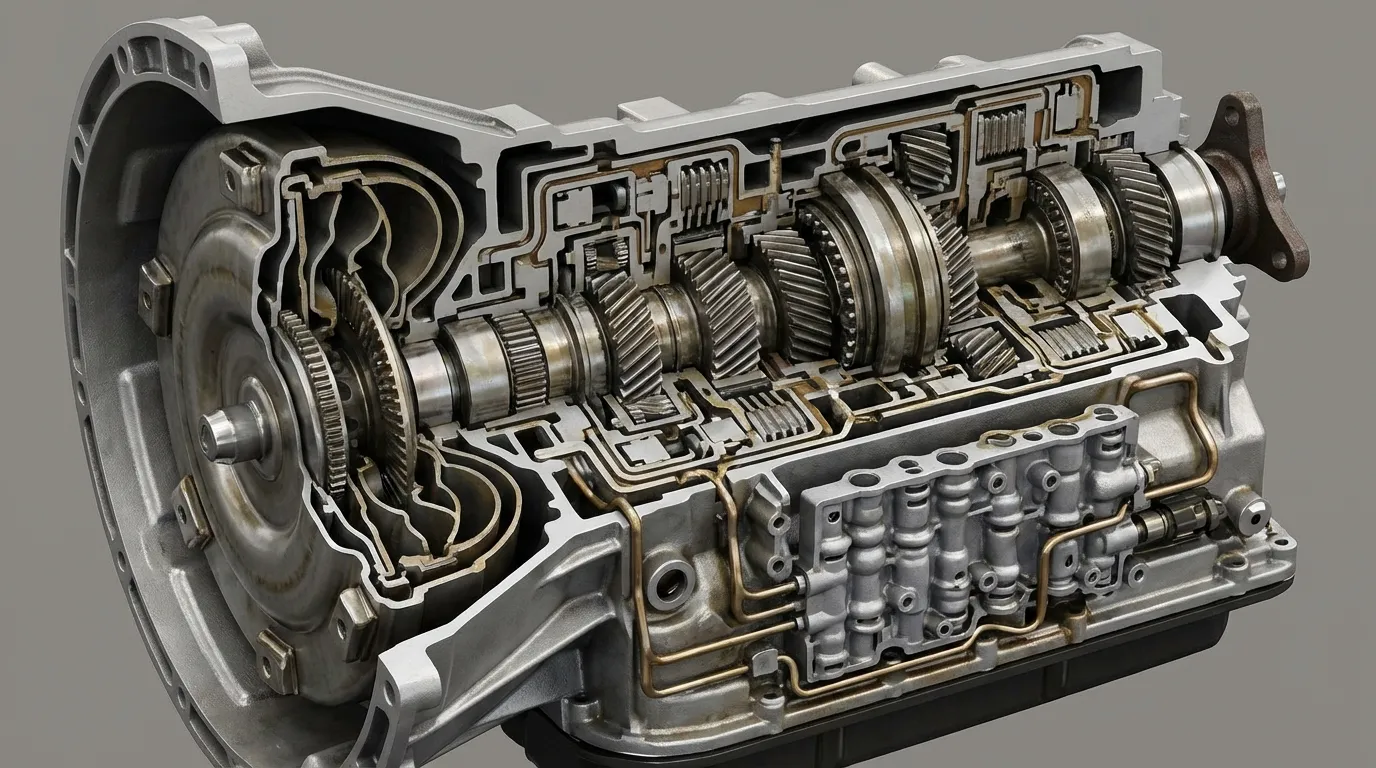
The leading cause of transmission failure for all makes of vehicles is due to not properly following the manufacturer’s maintenance recommendations for the engine and transmission and changing the fluid and filters at the proper recommended mileage and time.
Signs of Transmission Failure You Should Never Ignore
Transmission trouble almost never shows up all at once. It usually builds over time, leaving clear hints along the way, the kind many people plan to deal with later. These early warnings often appear well before a full breakdown, which helps if someone catches them early. They’re small clues, easy to miss, and even easier to brush off.
Some of the most common signs are slipping gears, delayed or rough shifts, or a car that suddenly refuses to go into gear. You might hear grinding or clunking sounds, sometimes mixed with a high‑pitched whine that comes and goes, especially during acceleration. A burning smell is another clear red flag that shouldn’t be ignored. And if red or brown fluid appears under the car, near the engine or transmission area, that needs attention right away. No real excuses there.
Weather can affect how these problems show up. Cold mornings often cause delayed engagement when shifting from park to drive, before things warm up. Hot days can lead to overheating, which can make slipping worse or trigger warning lights. Most of the time, weather doesn’t create new problems, it just speeds up ones that were already there.
Low or contaminated transmission fluid or worn transmission parts can cause erratic shifting.
Here’s how this can feel during everyday driving. You press the gas, the engine revs, but the car pauses before moving. Shifts may feel jerky, and then the check engine light comes on without a clear reason, which is always annoying. These patterns often trace back to low or dirty fluid, aging sensors, or internal parts wearing down over time. Just normal wear and tear, usually.
About half of vehicle owners put off major repairs, often hoping the issue will go away. Transmission problems rarely do. Waiting can turn a manageable repair into a full replacement and leave someone stuck during a commute or road trip. That’s never convenient.
Transmission Repair vs Transmission Replacement: How Shops Decide
When a vehicle comes in, shops usually begin with a full diagnostic inspection. This often includes computer scans, fluid checks, road testing, and hands-on inspections, not just a quick glance under the hood. The goal isn’t to guess. It’s to track the problem step by step until the real cause is found, which often saves money by avoiding work that isn’t needed.
Transmission repair usually makes sense when the problem is limited. This might be a bad solenoid, a worn clutch pack, a valve body issue, or fluid contamination that hasn’t spread through the entire system. In these situations, the repair targets only the damaged parts. The rest of the transmission stays in place, so factory clearances and internal specs inside the housing are usually preserved. This focused method is often faster and less disruptive, which is why shops recommend it so often.
Replacement comes into play when damage is more extensive. Heavy internal wear, metal debris throughout the system, long-term neglect, or repeat failures after earlier repairs all point to this option. At that point, swapping a few parts usually won’t bring back reliable or safe daily driving, even if it looks cheaper at first.
A rebuild sits between repair and replacement. The transmission is removed, taken apart, cleaned, and rebuilt with new wear parts like seals, clutches, and bands. It often costs less than full replacement and can deliver near-new performance, especially when updates and software resets are handled properly, which sometimes gets missed.
Owners sometimes choose the cheapest option or skip diagnostics to save time. Good shops usually explain what they found, show proof when possible, and walk through what each option means long term for that specific vehicle.
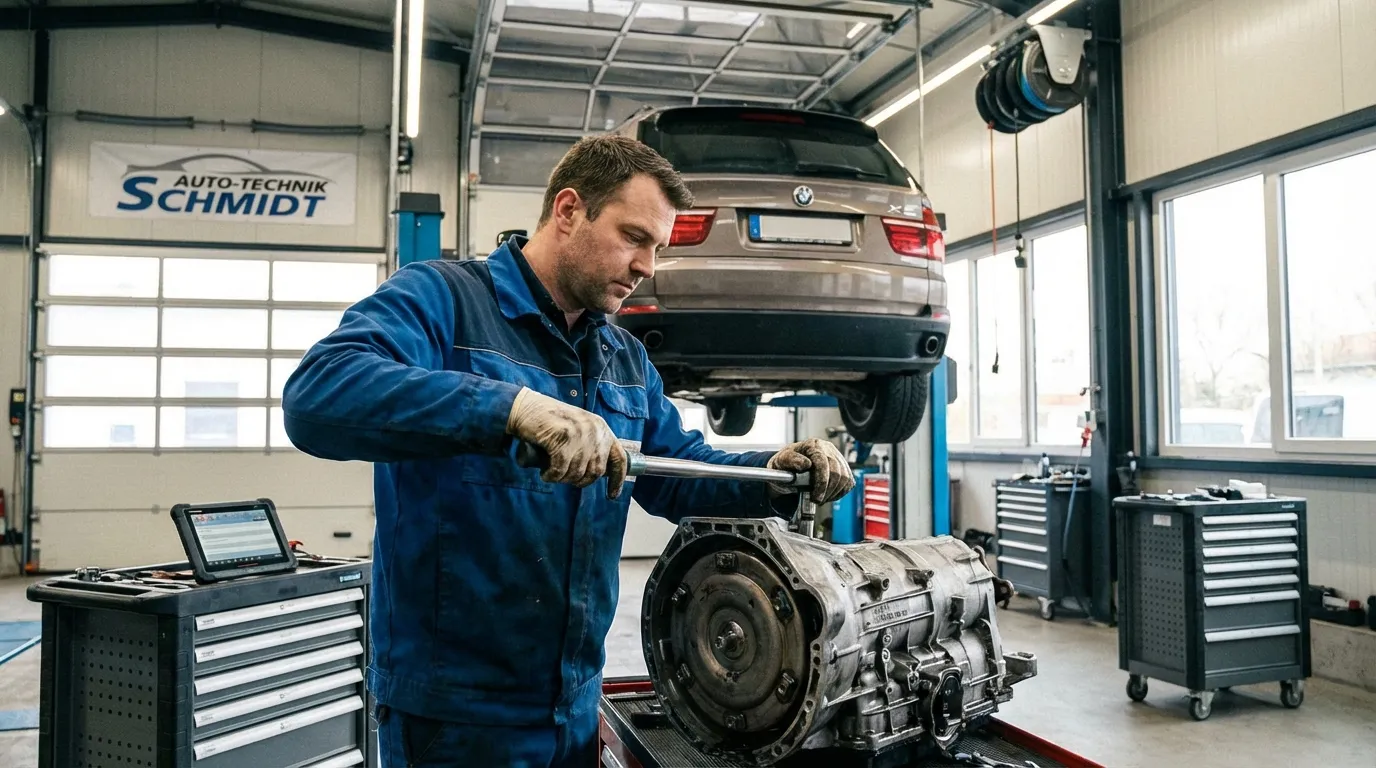
What to Expect During Professional Transmission Repair Service
The clearest moment usually comes after the inspection, when a good shop explains what failed and why. You should get clear options without guesswork, plus a written estimate that lists parts, labor, and warranty coverage, on paper, so it’s easy to look over later.
Before that, technicians usually run electronic diagnostics along with a hands-on visual check. Transmission fluid gets close attention because its condition often tells a quick story. Very dark fluid, a burnt smell, or metal particles mixed in usually point to internal wear, which is rarely good news, honestly.
You will also see checks on line pressure, transmission mounts, and software fault codes. This step matters because it often rules out problems that only feel like transmission trouble, such as engine misfires or drivetrain alignment issues that can throw everything off.
Timing can vary. Small fixes might take a day, while rebuilds or replacements can take several. Industry-wide technician shortages have pushed turnaround times up about 30 percent, so delays are common, plan ahead if you can.
Parts choice plays a role too. OEM or equivalent components usually last longer, helping avoid short-term fixes and extra hassle later on.
Preventive Maintenance That Protects Your Transmission
Preventive care is one of the best ways to avoid transmission failure, and more drivers are catching on. About 60 percent of owners now put preventive maintenance first, and that usually isn’t by chance. Most of it comes down to smart, simple habits instead of anything complicated or fancy.
One helpful step is keeping up with fluid changes. Transmission fluid cools and lubricates moving parts and cleans internal components as it flows through the system. Over time, that same fluid breaks down and picks up debris, which can slowly cause wear. Following the manufacturer’s mileage recommendations helps cut down that wear and lowers the risk of overheating, which is a clear, practical benefit.
Driving habits matter more than many people think. Hard acceleration or towing more than a vehicle is rated for puts extra strain on the transmission, especially when heat builds up. Letting your vehicle warm up in very cold or hot weather can also protect internal seals, and it usually only takes a minute.
Other steps help as well. Fixing a small leak early is easier than dealing with bigger damage later. Check engine lights often signal transmission issues, and sticking to the service schedule keeps small problems from turning into expensive ones. Modern diagnostic tools catch issues sooner, which usually means simpler repairs. Hybrid vehicles still use complex transmissions, even as EVs grow in popularity, so this care still matters.
The Bottom Line for Transmission Health
Transmission repair and transmission replacement don’t have to feel confusing or intimidating, even if they seem that way at first. What usually helps most is knowing the early warning signs and taking action sooner. That puts more control back in your hands and often leads to less stress and clearer decisions, which really helps in everyday driving.
Small issues people tend to brush off, like strange shifting or slow response, are usually worth checking out. The same goes for regular fluid care and picking a shop with real experience. These choices often help with safety and long-term value, and they can lower the chances of a breakdown during daily drives or longer trips. Simple habits add up over time.
Cars that get steady transmission care often last tens of thousands of miles longer than those that don’t. That extra life usually means lower overall costs, better resale value, and a smoother, more reliable feel on the road.
So what should you do if the car starts to feel off or a warning light turns on? Acting fast helps. A professional inspection can catch problems early, when fixes are simpler and less expensive, like finding a fluid issue before it leads to a full rebuild. For clear answers and straightforward advice focused on long-term results, scheduling a transmission inspection with a trusted provider like https://reliabilityautoservice.com/ can really make a difference.

Leave a Comment