
You usually do not think about your brakes until something feels off – a squeal at a stoplight, a longer stopping distance in traffic, or a pedal that feels soft under your foot. That is exactly why people ask, what is the purpose of any brake repair? The short answer is simple: brake repair is meant to restore your vehicle’s ability to stop safely, predictably, and without putting extra strain on other parts.
That answer matters more than it may seem. Brake problems are not just about noise or wear. They affect how your vehicle responds in rain, heavy traffic, school zones, sudden stops, and every other real-world driving situation where control counts.
What Is the Purpose of Any Brake Repair in Practical Terms?
The purpose of any brake repair is to correct wear, damage, or performance issues in the braking system so your vehicle can stop the way it was designed to stop. A proper repair helps restore braking power, maintain even stopping, reduce safety risks, and prevent small problems from turning into major ones.
In everyday terms, brake repair is about confidence. You want to press the pedal and know what will happen. No grinding. No pulling to one side. No delayed response. No guessing.
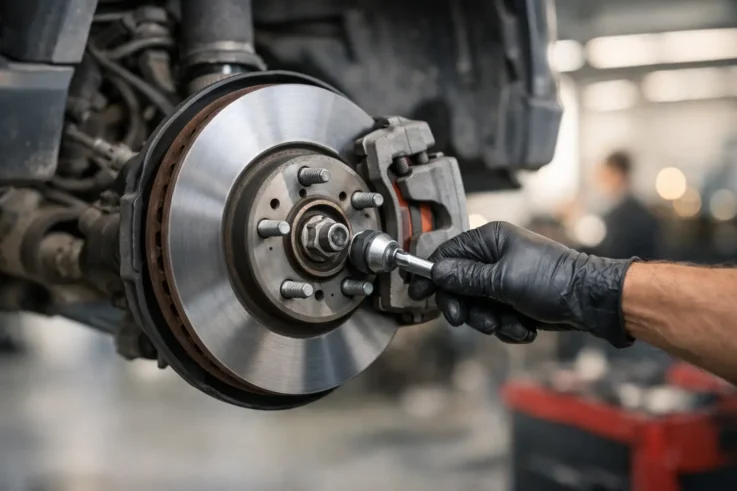
That can involve something basic, like replacing worn brake pads, or something more involved, like resurfacing or replacing rotors, repairing calipers, flushing contaminated brake fluid, or diagnosing an ABS-related issue. The exact repair depends on the condition of the system, but the purpose stays the same – safe and reliable stopping.
Brake Repair Is Really About Safety First
The most obvious reason to repair brakes is safety, but that word can get overused. In brake service, safety means specific things.
It means your car can stop within a reasonable distance. It means braking stays controlled when traffic suddenly slows. It means the system can handle repeated use without fading too quickly. It also means the vehicle remains stable instead of shaking, pulling, or locking up unpredictably.
Even a minor issue can change how the vehicle behaves. Worn pads may not create enough friction. Grooved rotors may reduce smooth contact. A sticking caliper can cause uneven braking and extra heat. Old brake fluid can affect hydraulic pressure. Each problem reduces the margin for error.
For most drivers, that margin is what matters. You do not need race-car performance. You need dependable response on your daily commute, in bad weather, and when something unexpected happens in front of you.
It Protects More Than the Brake Pads
Many people assume brake repair only means replacing pads when they wear out. Pads are often the first service item, but they are only one part of the system.
Ignoring early brake wear can damage rotors, calipers, hardware, and tires. It can also increase heat and stress throughout the system. That is why timely service is usually less expensive than waiting.
For example, replacing brake pads at the right time may be a straightforward job. Waiting until the pads wear down to metal-on-metal contact can score the rotors and create a much larger repair. The same goes for a seized caliper or neglected brake fluid. What starts as a manageable issue can spread into added labor, added parts, and more time off the road.
So while the purpose of brake repair is safe stopping, it also serves a second role: protecting the rest of the braking system from avoidable damage.
What Brake Repair Helps Restore
A brake system in good condition should feel smooth, responsive, and consistent. Repair work is often meant to bring back one or more of those qualities.
Stopping power
If your vehicle takes longer to stop than it used to, brake repair helps restore the friction and hydraulic performance needed for normal braking.
Control
A vehicle that pulls left or right under braking is harder to manage. Correcting worn or sticking parts helps keep braking balanced from side to side.
Comfort
Not every vibration or squeal means immediate danger, but those symptoms are signs that something is not working the way it should. Brake repair often eliminates noise, pulsation, and rough pedal feel.
Reliability
The biggest benefit is consistency. Your brakes should work the same way in the morning commute, weekend errands, and emergency stops. Reliable performance is the goal.
The Purpose of Brake Repair Depends on the Problem
There is no single repair that applies to every brake issue. The purpose stays consistent, but the work can vary.
If the pads are worn, the goal is to replace the friction material before it damages the rotors. If the rotors are warped or too thin, the repair may focus on restoring a smooth braking surface. If a caliper is sticking, the repair is about allowing even pressure and preventing overheating. If brake fluid has absorbed moisture, a flush may be needed to protect internal components and maintain proper pedal feel.
This is where good diagnosis matters. A brake noise does not always mean the same thing. A soft pedal could point to fluid issues, air in the system, or a hydraulic leak. A warning light may involve sensors, ABS components, or a more basic mechanical problem.
That is why no-nonsense brake service starts with identifying the actual cause, not just replacing parts and hoping for the best.
Why Timely Brake Repair Saves Money
Drivers often delay brake work because the vehicle still stops. That is understandable, but it can be costly.
Brake systems usually give warning signs before failure. Squealing, grinding, vibration, burning smells, low brake fluid, or a spongy pedal are all signs to have the system checked. Catching the issue early often means a simpler repair and a lower bill.
Delay changes that equation. Worn pads can ruin rotors. Heat can damage calipers. Uneven braking can wear tires faster. In severe cases, the vehicle becomes unsafe to drive and needs more extensive work all at once.
A practical brake repair is not just about fixing today’s symptom. It is about reducing the chances of bigger, more expensive repairs tomorrow.
Brake Repair Also Supports Everyday Driving Confidence
For most people, vehicle repair is not about performance upgrades. It is about getting to work, picking up kids, running errands, and keeping life moving without surprises.
That is where brakes matter most. You feel the difference every day, even if you are not thinking about the system directly. A healthy brake system makes stop-and-go traffic easier. It helps in wet conditions. It reduces stress when another driver cuts in front of you. It makes the vehicle feel solid and predictable.
That is the real value of proper brake service. It removes uncertainty from one of the most important functions your car has.
What a Good Brake Repair Should Include
A quality brake repair is not just part replacement. It should include inspection, accurate diagnosis, and attention to related components.
That means checking pad thickness, rotor condition, caliper movement, brake fluid condition, lines and hoses, hardware, and warning indicators. If one part has failed, the surrounding components should not be ignored. A good technician looks at the system as a whole, because brake performance depends on how all those parts work together.
There is also some nuance here. Not every noisy brake needs a full overhaul, and not every vehicle needs the same parts or service interval. Driving habits, vehicle weight, road conditions, and stop-and-go use all affect wear. A commuter in heavy traffic may go through brakes differently than a light-use driver who spends more time on open roads.
That is why clear recommendations matter. The right repair should match the condition of the vehicle, not a one-size-fits-all checklist.
When to Get Your Brakes Checked
If you notice squealing, grinding, shaking while braking, a soft pedal, longer stopping distances, or pulling to one side, it is time to schedule an inspection. The same goes for a brake warning light or any change that makes the vehicle feel less predictable.
Even without obvious symptoms, routine inspections are a smart move. Brakes wear gradually, and early detection gives you more options. It is easier to plan service around your schedule than deal with a breakdown or unsafe driving condition.
For drivers who depend on their vehicles every day, fast and honest brake service matters. A shop that can inspect the system, explain the findings clearly, and make the right repair without guesswork helps you protect both your safety and your time.
The purpose of any brake repair is not just to fix a problem on paper. It is to make sure your vehicle stops the way it should when you need it most, with no drama and no second-guessing.


Leave a Comment