
That slight squeal when you stop at a red light is easy to ignore – until it turns into grinding, longer stopping distances, or a repair bill that grew because the problem waited. If you have been asking what is brake service maintenance, the short answer is this: it is the inspection, cleaning, adjustment, and replacement work that keeps your braking system safe, responsive, and reliable.
Brake service maintenance is not always one single repair. In most cases, it is a combination of routine checks and needed parts service based on wear, mileage, driving habits, and the condition of your vehicle. The goal is simple: catch brake wear early, fix problems before they spread, and make sure your car can stop the way it should every time you drive.
What Is Brake Service Maintenance and What Does It Include?
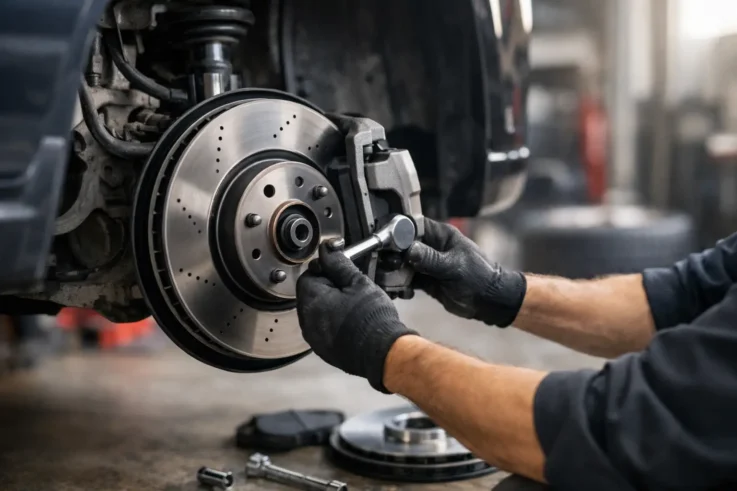
A proper brake service starts with an inspection. A technician checks the condition of your brake pads, rotors, calipers, brake fluid, lines, hoses, and related hardware. If your vehicle has rear drum brakes, those components need inspection too.
From there, the service depends on what the system needs. Sometimes the fix is straightforward, like replacing worn brake pads before they damage the rotors. In other cases, the service may include resurfacing or replacing rotors, servicing calipers, replacing brake fluid, cleaning and lubricating hardware, or correcting uneven wear.
This is why brake maintenance is not a one-size-fits-all appointment. One vehicle may only need pads and hardware service. Another may need a more complete repair because worn components were left too long or because the brake fluid has absorbed moisture and is affecting performance.
Why Brake Maintenance Matters More Than Most Drivers Think
Brakes do more than stop the vehicle. They help maintain control in traffic, in wet weather, on hills, and during sudden stops. When the system is wearing unevenly or not operating at full strength, you may still be able to drive, but the margin for safety gets smaller.
Routine brake service also protects other parts of the system. Worn pads can chew into rotors. Sticking calipers can cause overheating and uneven braking. Old fluid can lead to a soft pedal feel and internal corrosion. A smaller service today can often prevent a much larger repair later.
For drivers who rely on their vehicles every day, that matters. Brake maintenance is not just about safety. It is also about avoiding downtime, surprise repairs, and the frustration of a vehicle that does not feel dependable.
Common Brake Services You May Need
The most common brake service is brake pad replacement. Pads wear down over time because they create the friction that slows the vehicle. Once they get too thin, stopping performance suffers and other parts can be damaged.
Rotor service is also common. Rotors can wear, develop hot spots, or become warped enough to cause vibration when braking. In some cases they can be resurfaced, but replacement is often the better option, especially if they are too thin or worn unevenly.
Brake fluid service is another important part of maintenance. Brake fluid absorbs moisture over time, which can reduce braking performance and contribute to corrosion inside the system. A brake fluid exchange helps keep hydraulic pressure consistent and protects internal components.
Caliper and hardware service matters too. Calipers need to move freely, and the mounting hardware needs to be clean and lubricated where appropriate. If parts seize or stick, one side may wear faster than the other, or the vehicle may pull during braking.
Signs You May Need Brake Service
Some brake problems announce themselves early. Others show up gradually. Either way, it pays to get them checked before they turn into a bigger issue.
Watch for squeaking, squealing, or grinding noises when you brake. Pay attention if the pedal feels soft, if you need more distance to stop, or if the steering wheel shakes during braking. A vehicle that pulls to one side, a burning smell near the wheels, or a brake warning light on the dash are all worth taking seriously.
Sometimes the sign is less obvious. You may notice the vehicle just does not feel as confident stopping as it used to. That alone is enough reason to schedule an inspection.
What Happens During a Brake Inspection?
A brake inspection should go beyond a quick glance through the wheel. A technician typically measures brake pad thickness, checks rotor condition, looks for scoring or heat damage, inspects calipers and brake lines, and evaluates brake fluid condition. Tire removal is often necessary to get a proper look at the system.
The shop should also check for uneven wear patterns. That kind of detail matters because uneven wear usually points to an underlying issue, such as a sticking caliper, worn hardware, or a driving condition that needs attention.
This is where transparent service makes a difference. A good inspection should tell you what needs immediate repair, what can wait, and what to plan for next. Not every recommendation is urgent, and a trustworthy shop should make that clear.
How Often Should Brake Service Maintenance Be Done?
There is no universal mileage number that fits every driver. Some brake pads may last 25,000 miles, while others can go much longer. It depends on traffic, road conditions, vehicle weight, driving style, and the quality of the parts installed.
City driving usually wears brakes faster than highway driving because of frequent stopping. Stop-and-go commuting, steep grades, towing, and carrying heavier loads can also shorten brake life.
That is why regular inspections matter more than guessing by mileage alone. Many drivers have their brakes checked during routine tire service, oil changes, or seasonal inspections. If you drive daily and depend on your vehicle for work or family use, staying ahead of brake wear is the safer and more cost-effective approach.
Brake Pads, Rotors, and Fluid – Why Timing Matters
One of the most common questions drivers ask is whether they can wait a little longer. Sometimes the answer is yes. Sometimes it is no.
If pads are getting low but still have usable material left, you may have time to plan the service. If the wear is severe, the rotor is being damaged, or braking performance is already affected, waiting can cost more and create a safety risk.
The same goes for fluid service. Brake fluid does not usually cause obvious symptoms right away, so it is easy to overlook. But delaying fluid maintenance for too long can lead to moisture contamination and internal wear that is much more expensive than a routine fluid exchange.
Good brake service is often about timing. You want to service parts before they fail, not after they have already affected the rest of the system.
What Is Brake Service Maintenance Worth to You?
For most drivers, the value comes down to confidence. You want to know your vehicle can stop smoothly in traffic, handle sudden braking, and stay reliable in changing road conditions.
Brake maintenance also supports a better driving experience. The pedal should feel firm and predictable. The vehicle should stop straight. There should not be squealing, vibration, or harsh grabbing. When brakes are serviced properly, the whole car feels more controlled.
If you are maintaining an older vehicle, regular brake service becomes even more important. As vehicles age, rubber parts, hardware, and hydraulic components can wear in ways that are not always visible from the driver’s seat. Preventive care helps avoid getting caught off guard.
Choosing the Right Shop for Brake Service
Brake work is not the place to gamble on shortcuts. The right shop should inspect the full system, explain what it found in plain language, and give you fair, transparent recommendations.
That means more than just replacing pads and sending the car out. It means checking the condition of the rotors, looking at caliper operation, inspecting fluid and lines, and making sure the repair matches the actual cause of the problem. Fast service matters, but so does doing the job correctly the first time.
For drivers in Calgary who want dependable answers without the runaround, that kind of no-nonsense approach is exactly what makes brake service less stressful and more worthwhile.
Brake service maintenance is really about staying ahead of trouble. If your brakes are making noise, feeling different, or simply due for an inspection, getting them checked now is one of the smartest ways to protect both your vehicle and your time on the road.


Leave a Comment