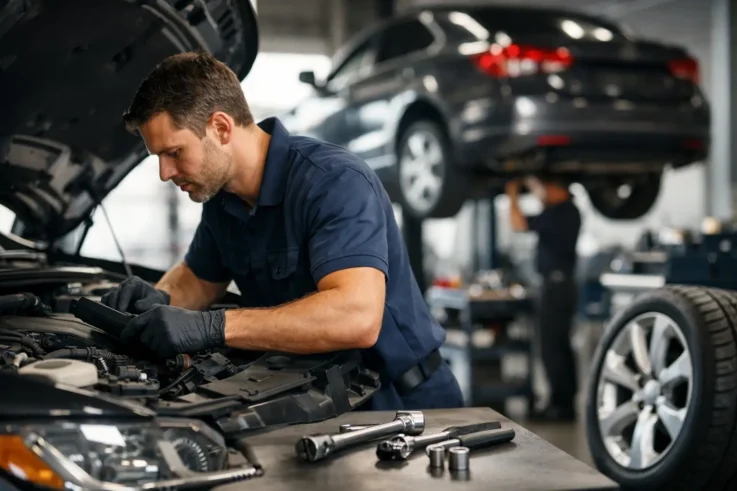

Your car rarely breaks down on a convenient day. More often, it starts with a warning light, a brake noise, a weak battery on a cold morning, or a vibration you hope will go away. If you have ever wondered what is car repair service, the short answer is simple: it is the work a professional shop does to inspect, diagnose, maintain, and repair your vehicle so it stays safe, dependable, and ready for daily use.
That sounds broad because it is. Car repair service is not limited to major fixes after something fails. A good repair shop handles routine maintenance, problem diagnosis, worn-part replacement, and larger mechanical work under one roof. For most drivers, that matters because the real goal is not just fixing a car. It is avoiding breakdowns, controlling costs, and getting back on the road without unnecessary stress.
What Is Car Repair Service?
Car repair service includes the full range of professional work performed to keep a vehicle operating properly. That can mean changing oil and filters, replacing brake pads, testing a battery, repairing suspension parts, diagnosing an engine issue, or handling more involved repairs such as transmission or electrical system work.
In practice, car repair service usually falls into two categories: maintenance and repair. Maintenance is the scheduled work that helps prevent problems, like fluid changes, inspections, tire service, and tune-ups. Repair is what happens when something is worn out, damaged, or no longer working as it should.
The two are closely connected. A shop may find a leaking hose during an oil change, uneven tire wear during a rotation, or a weak alternator during a battery test. That is why many drivers prefer a full-service shop instead of bouncing between specialty providers. It saves time, and it gives you a clearer picture of your vehicle’s condition.
What a Car Repair Shop Actually Does
A repair shop does more than swap parts. The best shops follow a process. First, they listen to the customer’s concern. Then they inspect the vehicle, test systems as needed, confirm the cause of the issue, and recommend the right repair.
That may sound obvious, but accurate diagnosis is where a lot of value comes from. A check engine light, for example, does not always mean the same thing. It could point to a simple sensor issue, an ignition problem, an emissions fault, or something more serious. Replacing parts without proper testing can waste money fast.
Once the issue is confirmed, the shop explains what needs attention, what can wait, and what the repair is likely to cost. That is where transparent pricing matters. Most vehicle owners do not want a technical lecture. They want straight answers: what is wrong, is it safe to drive, how urgent is it, and how long will the fix take?
Common Services Included in Car Repair Service
If you are asking what is car repair service in practical terms, it helps to look at the kinds of work most full-service shops provide.
Routine maintenance usually includes oil changes, filter replacement, fluid checks, tire rotations, wheel balancing, seasonal inspections, and manufacturer-recommended service intervals. These jobs may seem basic, but they play a major role in preventing larger repairs.
Mechanical repair covers items such as brakes, suspension, steering components, cooling system problems, engine performance issues, belts, hoses, and exhaust concerns. These are the repairs many drivers notice because they affect how the vehicle drives, stops, or sounds.
Electrical and diagnostic work includes battery testing, charging system checks, starter issues, sensor faults, wiring concerns, and warning light diagnosis. Modern vehicles depend on electronics for everything from ignition timing to safety systems, so this category is more common than many people realize.
Many full-service shops also handle tires and wheels, air conditioning concerns, inspections, auto body work, and some transmission-related repairs. The exact service menu varies by shop, but the wider the capability, the easier it is for customers to solve multiple issues in one visit.
Why Maintenance Is Part of Repair Service
Some drivers hear the word repair and think only of broken parts. In reality, maintenance is one of the most important parts of car repair service because it helps catch problems before they turn into expensive failures.
Take brake service as an example. Replacing brake pads at the right time is routine maintenance. Waiting too long can damage rotors and increase stopping distance, which turns a manageable service into a larger repair and a bigger safety concern.
The same pattern shows up with engine oil, coolant, transmission fluid, tires, and suspension parts. None of these items last forever. Regular service helps extend vehicle life, improve performance, and reduce the odds of being stranded. It also makes repair decisions less reactive. Instead of dealing with a roadside emergency, you are handling wear before it becomes a crisis.
How Shops Diagnose Problems
A big part of professional car repair service is finding the real cause of a symptom. Drivers often describe what they notice: a grinding sound, a rough idle, hard starting, pulling while braking, or shaking at highway speeds. Those clues matter, but symptoms can overlap.
A vibration could come from tires, wheels, suspension parts, brakes, or drivetrain components. A dead battery may not actually be a battery problem if the alternator is failing. Overheating might involve coolant loss, a thermostat issue, a radiator problem, or a water pump.
That is why testing matters. A qualified shop uses inspection experience, scan tools, measurements, and system checks to narrow things down. Good diagnosis takes time, but it usually saves money compared with guessing.
What to Expect From a Good Repair Experience
A good repair experience should feel clear, not confusing. You should be able to describe the problem, approve an inspection or diagnostic service, get a straightforward explanation, and receive an estimate before major work begins.
Good shops also separate urgent repairs from recommended future service. That distinction matters. Not every issue needs to be handled on the same day, and honest communication builds trust. If your front brakes are worn but your rear brakes still have life left, you should hear that clearly.
Convenience also counts. For busy drivers, things like appointment scheduling, multi-point inspections, warranty coverage, shuttle options, or a loaner car can make a real difference. Fast reliable service is not only about turning wrenches quickly. It is about helping customers keep their day on track while the vehicle is being repaired.
How Pricing Works in Car Repair Service
Repair costs depend on three main factors: labor, parts, and diagnostic time. A simple maintenance visit costs less than a repair that involves deep testing, multiple components, or hard-to-reach parts.
There is also a trade-off between short-term savings and long-term value. The cheapest option is not always the best one if it uses low-quality parts or skips needed inspection steps. On the other hand, not every car needs the highest-priced repair path. Age, mileage, condition, and how long you plan to keep the vehicle all play a role.
This is where fair and transparent pricing matters most. A trustworthy shop explains what you are paying for and why. That includes whether a repair is required for safety, recommended for reliability, or simply helpful for future planning.
When to Bring Your Car In
Some problems are obvious. If your brakes are making noise, the engine is overheating, the battery keeps dying, or the check engine light is flashing, do not wait. Those issues can become more expensive or less safe if ignored.
Other signs are easier to dismiss, but still worth checking. A small fluid leak, reduced fuel economy, a steering pull, uneven tire wear, or a mild clunk over bumps may not seem urgent today. Left alone, they often lead to more wear and more downtime.
If you drive daily for work, school, or family errands, regular inspections make a lot of sense. In places with cold winters and changing road conditions, like Calgary or Airdrie, seasonal service can also help drivers stay ahead of battery trouble, tire wear, and suspension stress.
Choosing the Right Shop
Not every shop offers the same level of service. Some focus narrowly on one area, while others can manage everything from routine oil service to complex diagnostics and mechanical repair. For many drivers, a one-stop shop is the better fit because it creates consistency. The technicians know the vehicle history, the service records stay in one place, and there is less guesswork over time.
Look for a shop that explains findings clearly, stands behind its work, and treats maintenance as part of a long-term plan, not just a quick sale. That kind of relationship tends to produce better repair decisions and fewer surprises.
Reliability Auto Service is built around that approach: diagnose the issue, recommend what makes sense, complete the work properly, and help customers stay road-ready without adding friction to the process.
Car repair service is really about peace of mind. When your vehicle is inspected carefully, repaired correctly, and maintained on schedule, daily driving feels a lot more predictable – and that is something every driver can use.


Leave a Comment